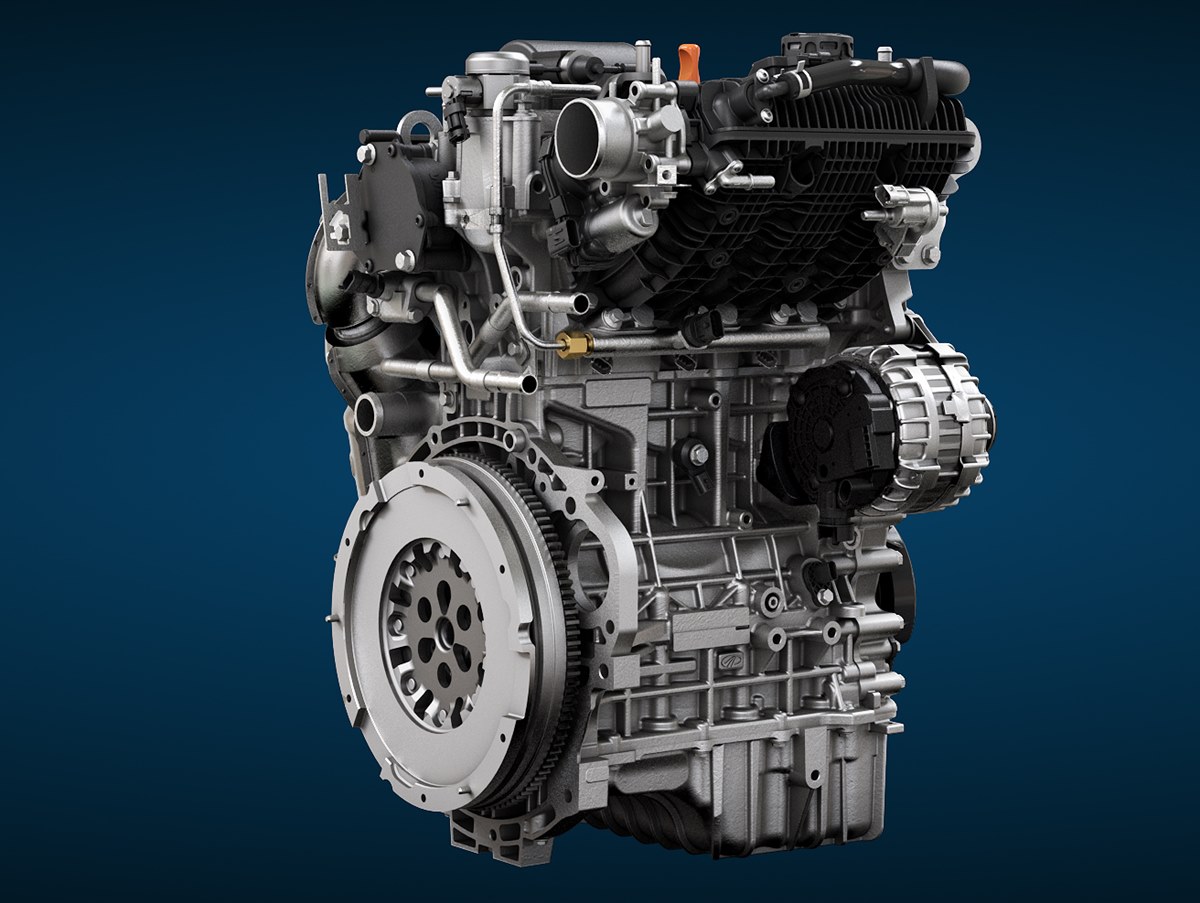
petrol car engine
The heartbeat of modern mobility lies within the combustion chambers, valves, and pistons of the petrol car engine, a mechanical marvel that transformed society’s relationship with distance and time. Beyond its metallic architecture, it is a symphony of chemistry, physics, and precision engineering, orchestrated to deliver seamless power. For those fascinated by mechanical ingenuity, our feature on automotive engineering breakthroughs provides deeper insights into the evolution of driving technology.
The Origins of the Petrol Car Engine
The conception of the petrol-powered motor in the late 19th century marked a pivotal shift in the history of transportation. Prior to its introduction, mobility relied on animal power, steam engines, or rudimentary designs that lacked efficiency. The innovation of Nikolaus Otto’s four-stroke cycle in 1876 laid the groundwork for engines that would dominate the automotive industry for more than a century.
At its core, this machine embodied the synthesis of two worlds: the controlled violence of combustion and the elegance of precision machinery. Every cylinder became a stage, every spark an ignition of possibility, propelling humanity into the age of the automobile.
Anatomy of a Petrol Car Engine
Understanding how this mechanism works requires exploring its components in detail. It is not a singular entity, but rather an ensemble of parts, each performing with meticulous timing to generate movement.
-
Cylinder Block: The foundational structure housing pistons and combustion chambers.
-
Pistons: Moving vertically within cylinders to compress air-fuel mixtures and transmit force.
-
Crankshaft: Converts the linear movement of pistons into rotational motion.
-
Camshaft: Orchestrates the opening and closing of valves.
-
Valves: Control the intake of air-fuel mixture and exhaust gases.
-
Spark Plugs: Initiate combustion with an electric spark.
-
Fuel System: Delivers petrol in precise quantities for combustion.
-
Cooling and Lubrication Systems: Ensure consistent operation under intense heat and friction.
Together, these parts perform an intricate ballet of motion, energy, and transformation.
The Four-Stroke Cycle: Heartbeat of the Engine
The brilliance of the Otto cycle lies in its repetitive yet purposeful sequence, ensuring that chemical energy is continuously translated into kinetic power.
-
Intake Stroke: The piston descends, drawing a precise mixture of fuel and air into the chamber.
-
Compression Stroke: The piston rises, compressing the mixture to increase its volatility.
-
Power Stroke: A spark ignites the compressed gases, generating an explosive force that drives the piston downward.
-
Exhaust Stroke: The piston ascends again, expelling the spent gases through the exhaust valve.
This rhythm repeats hundreds of times per minute, producing the smooth power delivery that propels vehicles forward.
Petrol Car Engine Efficiency and Performance
Efficiency in these engines is not merely a function of size or fuel quality. It depends on compression ratios, ignition timing, air-to-fuel balance, and even the geometry of combustion chambers. Engineers constantly strive to optimize these variables, pushing the boundaries of what internal combustion can achieve.
Modern iterations incorporate advanced technologies such as direct fuel injection, turbocharging, and variable valve timing. These enhancements increase efficiency, reduce emissions, and amplify power without altering the fundamental cycle. For enthusiasts exploring innovations in motoring, our guide on future propulsion systems contextualizes these advances in broader industry trends.
Petrol Car Engine and Environmental Considerations
While petrol engines revolutionized transportation, they also became emblematic of environmental challenges. Their reliance on fossil fuels produces carbon dioxide, contributing to global warming. Moreover, incomplete combustion can emit carbon monoxide and unburned hydrocarbons, both hazardous pollutants.
Governments and manufacturers are working to mitigate these effects through emission regulations, catalytic converters, and hybridization. Cleaner-burning fuels and synthetic alternatives are also under exploration, offering potential pathways to reconcile performance with sustainability.
Sound and Soul of the Petrol Car Engine
Beyond functionality, there exists an almost poetic quality to the engine’s acoustics. The throaty growl of a V8, the raspy note of a high-revving inline-four, or the silky hum of a six-cylinder—all contribute to the cultural identity of motoring. Enthusiasts often describe these sounds as mechanical music, resonating with passion and nostalgia.
This sensory dimension explains why internal combustion, despite environmental scrutiny, continues to inspire devotion among drivers. For many, the visceral connection between engine sound and acceleration is irreplaceable.
Technological Enhancements and Modern Adaptations
The contemporary petrol engine is a fusion of mechanical tradition and digital intelligence. Electronic control units (ECUs) monitor fuel injection, ignition, and exhaust conditions with microsecond precision. Sensors continuously adapt to driver behavior and environmental factors, maximizing efficiency and performance.
Innovations such as turbocharging allow smaller engines to deliver the power of larger ones, while direct injection ensures fuel is burned with minimal waste. Hybrid technologies further extend their relevance by pairing them with electric motors, blending tradition with modern necessity.
Longevity and Maintenance of Petrol Engines
Durability depends not only on engineering but also on maintenance practices. A well-cared-for engine can last hundreds of thousands of miles. Key aspects of longevity include:
-
Regular oil changes to prevent frictional wear.
-
Timely replacement of spark plugs for consistent ignition.
-
Monitoring coolant levels to avoid overheating.
-
Using high-quality fuel to prevent residue buildup.
-
Ensuring clean air filters for optimal combustion.
These practices ensure that engines retain performance while minimizing repair costs.
The Cultural Legacy of Petrol Engines
The legacy of these engines transcends technology. They symbolize freedom, independence, and exploration. From the roaring roadsters of the 1920s to the muscle cars of the 1960s, petrol engines shaped entire eras of cultural identity. Motorsports, too, owe their vibrancy to the relentless pursuit of combustion-driven performance.
Automobiles powered by these engines became icons, immortalized in films, literature, and collective memory. Even as the industry transitions toward electrification, the cultural imprint of internal combustion will remain indelible.
Petrol Car Engine in the Age of Transition
The global shift toward electric vehicles does not negate the relevance of petrol engines. Instead, it redefines their place in automotive history. They remain central to millions of vehicles worldwide, particularly in regions where electric infrastructure is limited.
Manufacturers continue to refine them, squeezing greater efficiency from every drop of fuel. While their dominance may wane, their influence endures, reminding us of the ingenuity that powered an entire century of progress. For further reflections, our discussion on automotive heritage and future balance explores how tradition and innovation can coexist.
The petrol engine is more than a mechanism—it is a narrative of human innovation, cultural symbolism, and technological mastery. Its rhythmic cycle of intake, compression, combustion, and exhaust has carried generations across continents, inspired industries, and shaped identities.
As new technologies emerge, its legacy persists not only in garages and highways but in the collective imagination of society. It represents the daring spirit of invention and the enduring pursuit of mobility. Even as electrification advances, the story of the petrol engine will continue to be celebrated as a defining chapter in the history of motion.

.jpg?k=1924235ce9 "Honda Civic Type R")