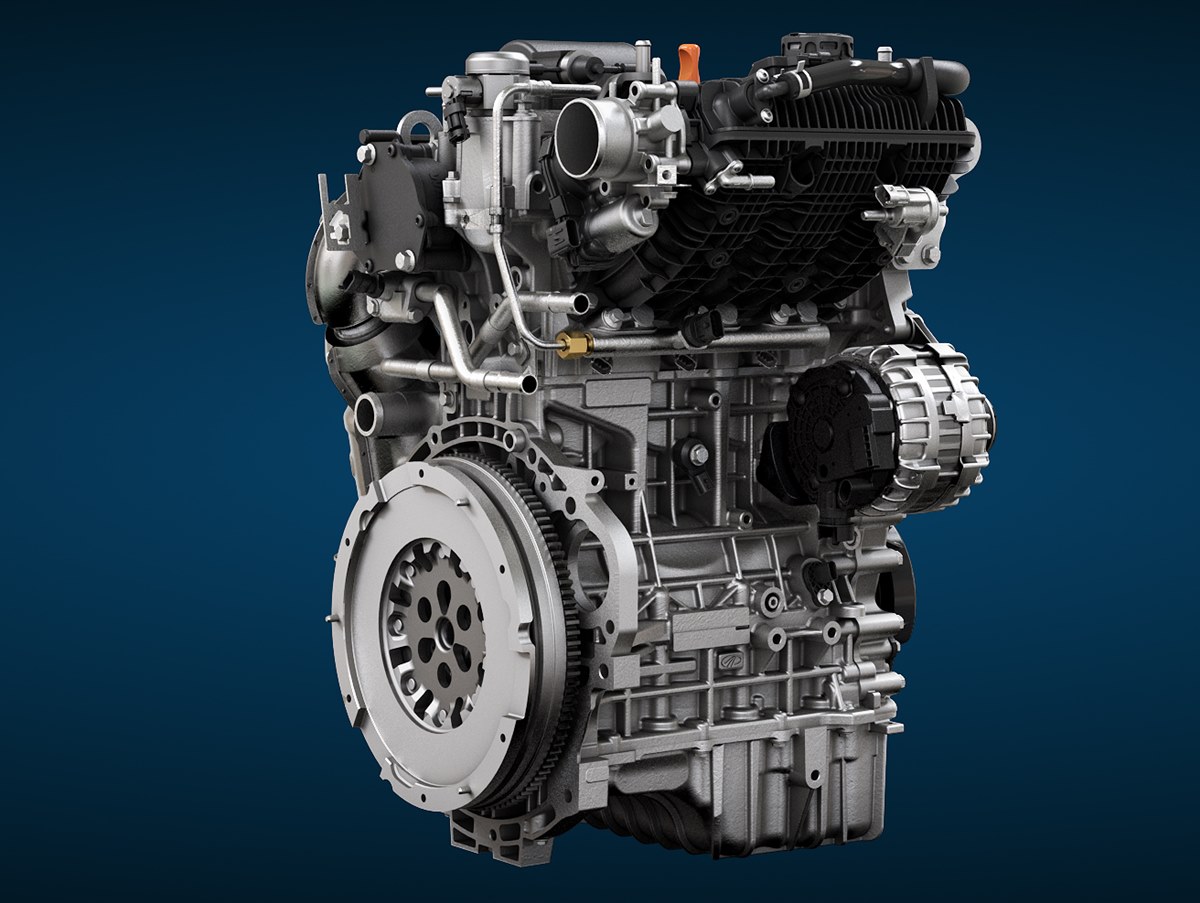
diesel car engine
The diesel car engine has long stood as a hallmark of resilience, efficiency, and sheer mechanical ingenuity, quietly propelling industries, commerce, and individual drivers forward with steadfast reliability. Unlike other propulsion systems that prioritize speed over stamina, its enduring strength makes it indispensable in countless sectors. To understand how this engineering marvel compares with alternative propulsion, our feature on vehicle performance evolution provides a comprehensive backdrop for context.
The Origins and Evolution of the Diesel Car Engine
The story of diesel technology begins with Rudolf Diesel, a visionary German inventor of the late 19th century. His design, which relied on compression ignition rather than spark ignition, revolutionized how fuel was burned and power was generated. From locomotives to ocean liners, and later automobiles, the principles of his invention reshaped mobility on a global scale.
Over the decades, technological refinements such as turbocharging, common-rail direct injection, and electronic control systems have allowed these engines to reach unprecedented levels of efficiency. They are no longer solely the preserve of trucks and industrial machinery; modern sedans, SUVs, and luxury vehicles also embrace their capabilities.
Understanding the Core of the Diesel Car Engine
At its essence, the engine operates on the principle of compressing air to extremely high pressures, creating temperatures sufficient to ignite fuel upon injection. This process differs fundamentally from spark ignition systems, giving rise to several distinct benefits.
Its design includes:
-
Robust pistons and crankshafts to endure high compression.
-
Advanced fuel injection systems ensuring precise atomization.
-
Turbochargers to amplify power and responsiveness.
-
Strong cylinder blocks designed to sustain immense internal forces.
This inherent robustness translates directly into durability, one of its most prized attributes.
Diesel Car Engine Advantages: Durability and Longevity
Few mechanical constructs rival the resilience of diesel engines. They are crafted to handle higher levels of stress and pressure, which naturally extends their lifespan. Where petrol engines might falter after a certain mileage, their diesel counterparts often remain steadfast.
This longevity makes them especially attractive for fleet operators, logistics companies, and long-distance commuters. The higher upfront cost of vehicles equipped with diesel engines is typically offset by their prolonged service life and reduced need for frequent replacements.
Fuel Efficiency and Cost Savings
A defining characteristic is superior fuel efficiency. By extracting more energy from every unit of fuel, diesel engines achieve better mileage compared to petrol alternatives. This efficiency is most noticeable on highways and during long-distance journeys, where lower fuel consumption directly translates to cost savings.
For both individuals and businesses, reduced fuel expenditure enhances economic viability. When multiplied across large fleets, the savings become monumental, underscoring their appeal in commercial applications. For a closer look at modern transportation economics, our analysis of sustainable fuel practices explores how efficiency reshapes industries.
Power and Torque: Unmatched Performance
Diesel engines are renowned for producing high torque at low RPMs, a feature that grants them superior pulling power. This makes them ideal for towing, heavy-duty applications, and off-road driving.
Unlike petrol engines that require higher revolutions to deliver maximum power, diesels offer strength from the very start, enabling smoother acceleration under load and effortless handling of challenging terrains.
This combination of efficiency and performance illustrates why these engines dominate in trucks, buses, and agricultural machinery.
Environmental Considerations
While diesel engines have been criticized for emissions such as nitrogen oxides and particulates, advancements in technology have mitigated many of these concerns. Modern designs incorporate diesel particulate filters (DPFs), selective catalytic reduction (SCR), and advanced exhaust after-treatment systems.
These innovations significantly reduce harmful emissions, bringing them into compliance with stringent environmental regulations. With ongoing research into synthetic fuels and bio-diesels, the future may hold even greener prospects for diesel technology.
Diesel Car Engine Advantages for Daily Drivers
The advantages of adopting a vehicle with diesel power extend beyond commercial fleets. For regular drivers, especially those covering long distances, benefits include:
-
Reduced fuel expenses due to superior efficiency.
-
Lower frequency of refueling on extended trips.
-
Enhanced longevity of vehicle ownership.
-
Stronger resale value in certain markets.
-
Dependable performance in a variety of driving conditions.
Each of these factors contributes to a compelling case for drivers seeking reliability and practicality.
Sound, Feel, and Driving Dynamics
Diesel engines once bore a reputation for noise and vibration. However, with modern insulation, improved fuel injection systems, and refined engine mounts, they now offer smooth, quiet performance that rivals petrol-powered vehicles.
The unmistakable low-frequency hum of a diesel remains a signature characteristic, though in contemporary models, it has been subdued into a more refined, almost reassuring presence.
Technological Innovations and Future Potential
The integration of smart technologies has elevated diesel engines to new levels of sophistication. Computerized systems precisely monitor and adjust combustion, while turbocharging and intercooling maximize output without sacrificing economy.
Looking ahead, hybrid systems pairing diesel with electric power could further extend efficiency while minimizing environmental impact. In this evolving landscape, diesel engines remain not relics of the past, but adaptive technologies with room for continued advancement.
The Cultural and Economic Impact
From Europe’s autobahns to the highways of Asia and Africa, diesel engines have been instrumental in shaping societies. They power buses that transport millions daily, trucks that keep supply chains alive, and cars that traverse long distances with ease.
Their contribution extends beyond economics to culture. Enthusiasts and drivers often associate diesel vehicles with strength, resilience, and trustworthiness—a reputation earned over decades of reliable service.
Diesel Car Engine in the Modern Marketplace
Despite the global push toward electrification, diesel engines retain a vital position in markets where infrastructure for electric mobility remains limited. Their dominance in heavy-duty transport ensures that they will not disappear overnight.
Manufacturers continue to refine their design, balancing power, efficiency, and compliance with regulatory frameworks. As such, diesel technology remains a cornerstone of the automotive industry’s present, even as it prepares for a more electrified future. For a broader understanding of this shift, our exploration of automotive transition strategies outlines the path toward sustainable mobility.
The diesel engine is not simply a means of propulsion—it is a testament to mechanical resilience, efficiency, and adaptability. Its enduring relevance lies in its ability to deliver longevity, fuel economy, and torque in ways unmatched by alternatives.
As the world moves toward cleaner energy, the role of diesel may evolve, but its legacy as a driver of progress and mobility will remain indelible. Whether in commercial fleets, personal vehicles, or industrial applications, its advantages are undeniable and worth celebrating.
.jpg?k=1924235ce9 "Honda Civic Type R")