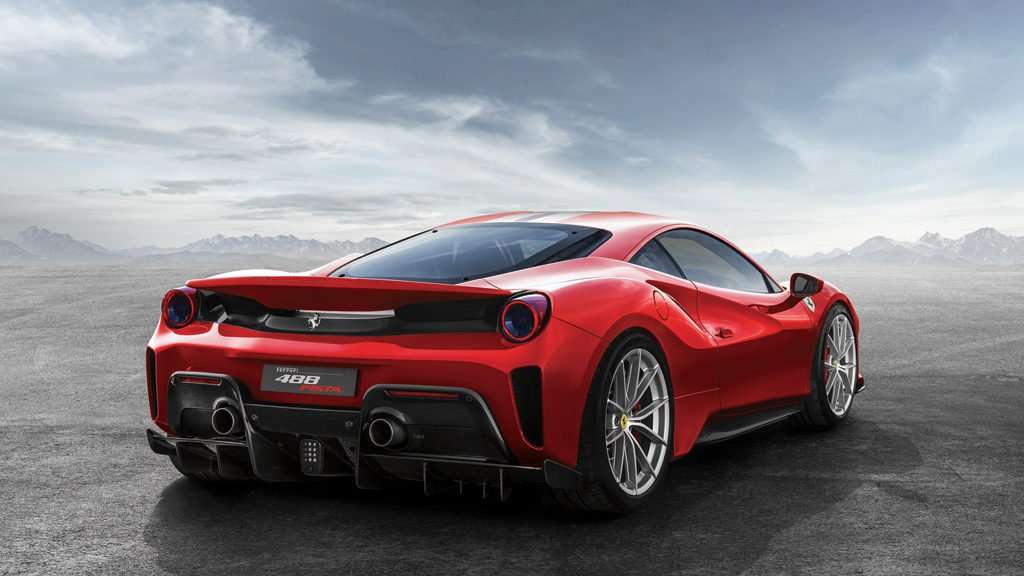
electric car racing lamborghini
The advent of electric car racing heralds a transformative era in motorsports, merging sustainability with high-octane performance. Electrified propulsion systems, cutting-edge aerodynamics, and advanced battery technology redefine speed, efficiency, and strategy on the track. For deeper technical insights, consult Advanced EV Engineering Guides, High-Performance Battery Management Systems, and Motorsport Aerodynamics Innovations.
1. Electric Car Racing: Technological Foundations
Electric racing vehicles rely on sophisticated electric powertrains combining high-capacity battery packs, powerful motors, and regenerative braking systems. Instant torque delivery, precise energy management, and low center of gravity provide competitive advantages, while software integration enables real-time telemetry and performance optimization.
2. Electric Car Racing: Vehicle Architecture and Design
Aerodynamic efficiency and lightweight construction are pivotal. Carbon-fiber chassis, energy-dense batteries, and optimized suspension systems improve handling and endurance. Vehicle design in electric racing balances thermal management, structural integrity, and agility, ensuring peak performance under sustained racing conditions.
3. Electric Car Racing: Battery Technology and Energy Management
Battery systems dictate performance range and power output. Innovations in lithium-ion chemistry, thermal regulation, and rapid charging enable sustained high-speed operation. Energy recuperation through regenerative braking conserves power, while predictive algorithms optimize battery utilization over race distances.
Core Components of Electric Car Racing Vehicles
- High-capacity lithium-ion or solid-state battery packs
- Dual or multi-motor drive systems
- Regenerative braking systems
- Advanced cooling and thermal management
- Carbon-fiber chassis and lightweight materials
- Sophisticated aerodynamics and active wings
- Real-time telemetry and data analytics
- High-efficiency power electronics
- Race-tuned suspension and tire systems
- Safety modules and crash energy management systems
4. Electric Car Racing: Motorsport Strategies and Tactics
Energy management is central to race strategy. Drivers must balance aggressive acceleration with efficient energy consumption, optimizing regenerative braking and minimizing heat buildup. Pit stop timing, battery swaps, and tire management introduce tactical complexity previously dominated by fuel-based racing.
5. Electric Car Racing: Global Competitions and Leagues
Events like Formula E and Extreme E exemplify the growth of electric motorsports. These series highlight sustainable racing, innovative circuits, and global fan engagement. By showcasing technological advances and promoting renewable energy awareness, electric racing is influencing both competition and public perception.
6. Electric Car Racing: Driver Skills and Training
Electric vehicle dynamics differ from traditional combustion cars. Instantaneous torque, unique weight distribution, and battery management require specialized skills. Drivers must master precise throttle control, energy conservation, and regenerative braking utilization to maintain competitive lap times.
7. Electric Car Racing: Environmental Impact and Sustainability
A primary advantage is reduced carbon footprint. Electric racing minimizes emissions, promotes renewable energy integration, and encourages technological advancements with civilian applications. Sustainable practices in track energy management and vehicle recycling further enhance environmental benefits.
8. Electric Car Racing: Challenges and Technological Barriers
Challenges include battery weight, limited range, thermal management, and charging infrastructure. Research in high-energy-density batteries, lightweight composites, and efficient cooling systems addresses these limitations. Continuous innovation ensures that electric racing remains competitive with traditional motorsport disciplines.
9. Electric Car Racing: Influence on Consumer Automotive Technology
Technologies developed for racing often translate to consumer vehicles. Battery management, regenerative braking, aerodynamics, and thermal control systems enhance electric cars’ performance, safety, and efficiency in everyday applications. Motorsport acts as a catalyst for innovation in sustainable transportation.
10. Electric Car Racing: Future Prospects and Expansion
The trajectory of electric car racing points to increased adoption, technological sophistication, and global reach. Autonomous racing, AI-assisted strategy, and hybrid energy systems may redefine competition formats. Engagement with Next-Generation Motorsport Innovation Platforms ensures enthusiasts and engineers remain at the forefront of electrified racing.


.jpg?k=1924235ce9 "Honda Civic Type R")