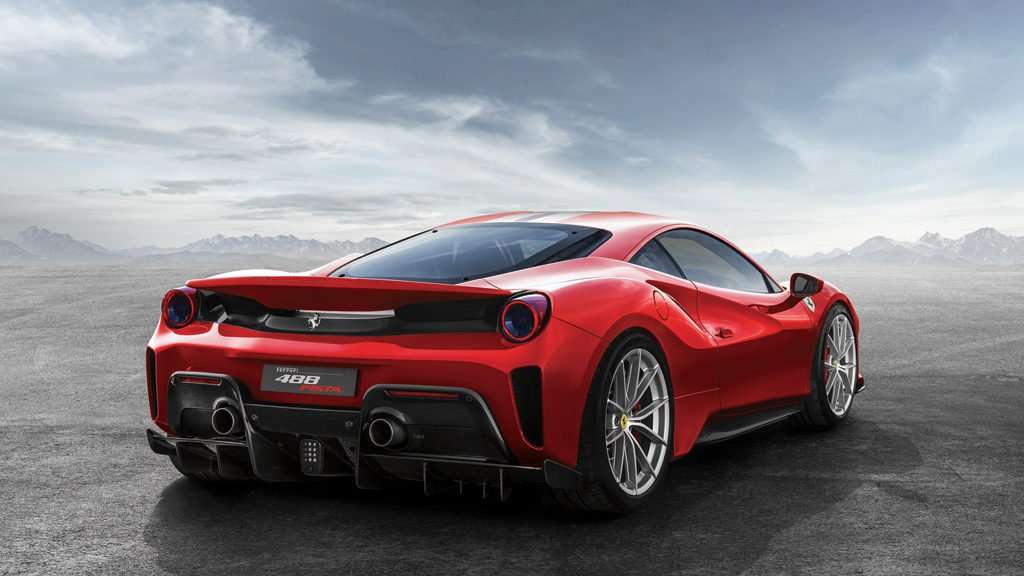
street car racing
The allure of street car racing is rooted in its raw energy, unregulated thrills, and rebellious charm. From dimly lit city avenues to remote industrial stretches, enthusiasts converge with adrenaline pumping, engines roaring, and pride at stake. For some, it is an art form; for others, a perilous gamble. To grasp this underground phenomenon, one must peer into its culture, risks, and the stark realities that define it. In the same way that urban car culture reveals identity, and as automotive history milestones remind us of innovation, the narrative of illegal racing carries layers that extend beyond speed.
The Origins of Street Car Racing
The phenomenon sprouted in the mid-20th century when young drivers, influenced by motor sports and an evolving car industry, sought unregulated ways to test their machines. Unlike sanctioned racing, this culture emerged in secrecy. Cities such as Los Angeles, Tokyo, and Berlin became epicenters of night racing, where empty highways transformed into dangerous tracks. This scene became synonymous with rebellion, youth counterculture, and the pursuit of mechanical supremacy.
What distinguished this movement was its accessibility. Racing was not reserved for elite track drivers. Instead, ordinary individuals modified affordable cars, challenging rivals on public roads. Over time, the practice gained notoriety, blending danger, entertainment, and community.
Street Car Racing and Identity
The participants of this underground culture often use their cars as symbols of personal identity. Paint jobs, decals, neon lights, and sound systems communicate individuality. The vehicles themselves act as an extension of the driver’s character, each modification telling a story.
For some, participation is a rite of passage. For others, it’s about recognition and prestige within an exclusive community. Rivalries extend beyond performance; they reflect pride, territory, and credibility. This culture thrives on word-of-mouth reputation, whispered challenges, and the secrecy of race locations.
The Risks Behind the Wheel
The allure of freedom comes at a cost. Street racing is inherently dangerous, not only for participants but also for unsuspecting bystanders. Accidents, collisions, and fatalities are tragically common. Unlike controlled race circuits with safety measures, public roads present unpredictable variables: traffic lights, pedestrians, and unpredictable drivers.
Authorities view the phenomenon as a pressing public safety issue. Arrests, fines, and vehicle impoundments are routine, yet these penalties rarely deter the most committed racers. The thrill of evading law enforcement only adds to the adrenaline rush for many.
Street Car Racing and Its Global Influence
While often considered a localized activity, street racing has spread worldwide. Popular media—from Hollywood films to video games—has glamorized the culture, inspiring countless enthusiasts to replicate what they see on screens. In Tokyo, the notorious Wangan races tested the limits of speed along coastal highways. In the U.S., muscle cars clashed with imports in gritty contests. Europe, with its Autobahns and industrial districts, offered its own stage.
This globalization of street racing has created a shared yet fragmented culture, where regional flavors blend with universal themes: danger, identity, and speed.
The Mechanical Side of the Culture
At the heart of every race lies mechanical artistry. Cars undergo extensive modifications, some subtle, others dramatic. Enhancements include turbochargers, nitrous oxide systems, aerodynamic kits, and reinforced suspensions. These transformations blur the line between everyday vehicles and race machines.
Enthusiasts pride themselves not only on speed but also on craftsmanship. The engine’s roar, the sleek bodywork, and the precision handling are testaments to countless hours of dedication. In this sense, street racing intersects with engineering, artistry, and obsession.
Key Realities of Street Racing
To understand this underground movement, one must accept its duality. It embodies passion yet invites danger. It provides community but risks destruction. Several realities define it:
-
Unregulated Danger – With no official oversight, participants expose themselves to catastrophic risks.
-
Cultural Symbolism – Cars act as canvases of personal and cultural identity.
-
Illegality – Street racing is outlawed in most jurisdictions, making involvement a legal gamble.
-
Global Reach – Despite legal risks, the culture persists across continents.
-
Mechanical Innovation – Many advancements in car modification stem from underground experimentation.
Street Car Racing in Modern Times
The modern landscape of racing culture is evolving. Technology and digital connectivity have changed how enthusiasts engage. Online forums and social media groups coordinate events while concealing identities. Digital simulations and racing games provide safer outlets, yet the underground thrill persists.
Authorities have introduced legal alternatives, such as drag strips and sanctioned racing nights, attempting to divert participants from illegal activities. While these initiatives provide a safer outlet, they cannot replicate the raw excitement of an unregulated street contest.
Street Car Racing and the Future
The future of street racing lies at a crossroads. With the rise of electric vehicles, autonomous driving technologies, and strict traffic regulations, the culture faces unprecedented challenges. Yet, enthusiasts are adapting. Electric modifications, silent yet deadly in speed, are emerging as a new frontier. The culture, shaped by rebellion, continues to evolve with technological shifts.
In many ways, this underground activity mirrors humanity’s eternal fascination with speed, freedom, and risk. It is unlikely to disappear entirely, though its form may transform in unforeseen ways.
Balancing Fascination and Consequence
Street racing captures the imagination. Its drama, rivalry, and defiance evoke both admiration and concern. The fascination lies in its unapologetic defiance of societal norms, while the consequences remain painfully real.
Society must navigate this paradox carefully. Celebrating mechanical ingenuity and passion for cars does not require endorsing dangerous activities. Alternatives exist—legal racing tracks, car exhibitions, and digital competitions—that allow passion to thrive without putting lives in jeopardy.
The story of this culture is a tale of duality: beauty entwined with chaos, identity fused with danger, and artistry bound with illegality. While its risks cannot be understated, its significance in shaping youth identity, automotive innovation, and urban culture remains undeniable. Just as the legacy of motorsport heritage continues to inspire future generations, so too does the allure of street racing remind us of humanity’s insatiable hunger for speed.

.jpg?k=1924235ce9 "Honda Civic Type R")