car engine maintenance
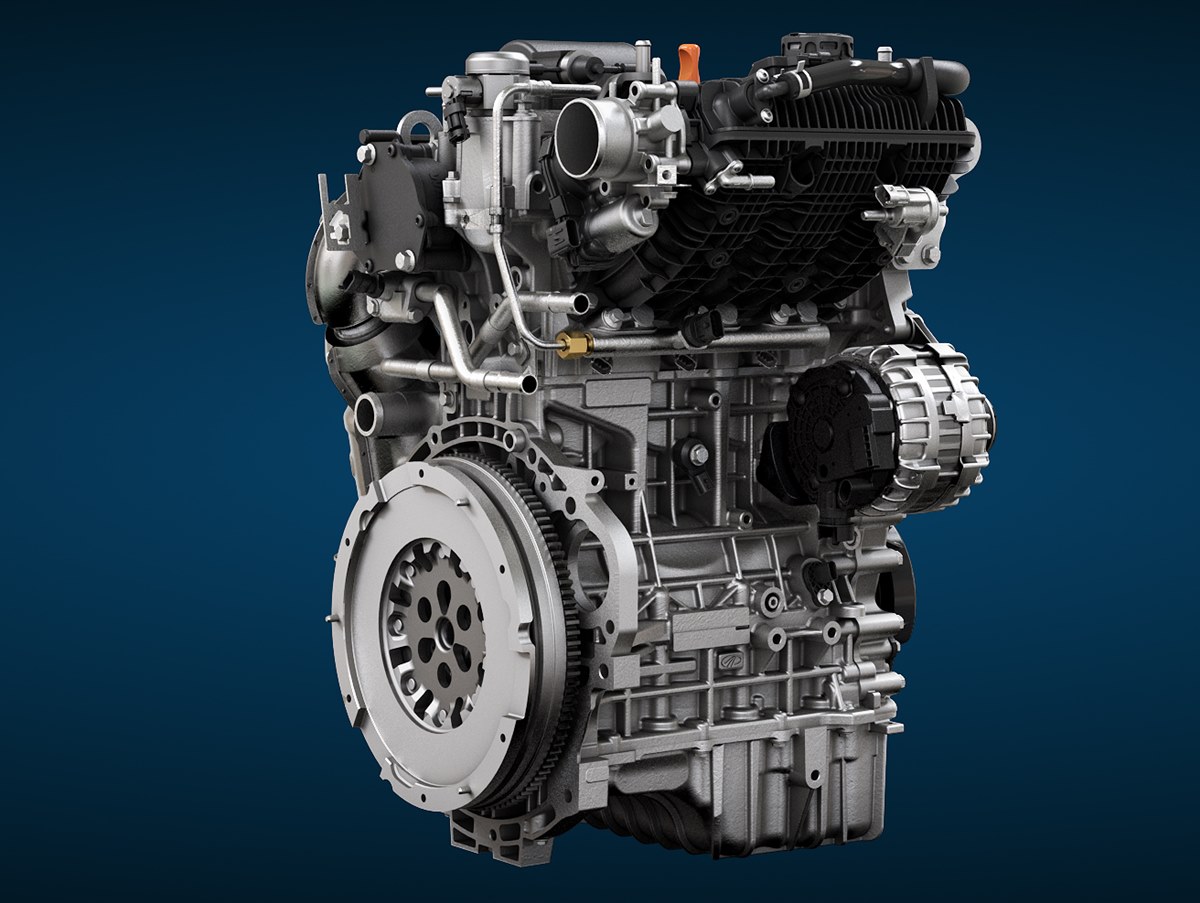
Maintaining optimal performance requires diligent attention to car engine maintenance, ensuring longevity, efficiency, and reliable operation. A meticulously serviced engine maximizes fuel economy, prevents costly repairs, and enhances driving satisfaction. For comprehensive strategies, explore Automotive Engine Care Guides, Advanced Lubrication Techniques, and High-Performance Vehicle Maintenance Manuals.
1. Car Engine Maintenance: Regular Oil and Filter Replacement
Oil serves as the lifeblood of any engine, lubricating components and reducing friction. Regular oil changes, combined with timely filter replacements, prevent sludge buildup, minimize wear, and maintain thermal regulation. Synthetic oils offer enhanced performance, particularly in high-temperature or high-stress conditions.
2. Car Engine Maintenance: Coolant System Optimization
A well-maintained cooling system preserves engine integrity. Flushing the radiator, inspecting hoses, and verifying coolant concentration prevents overheating and corrosion. Incorporating high-quality coolant enhances heat dissipation and protects against mineral deposits, ensuring sustained engine efficiency.
3. Car Engine Maintenance: Air and Fuel System Care
Air filters, fuel injectors, and intake components dictate combustion efficiency. Replacing clogged filters and cleaning injectors ensures optimal air-fuel mixture, improving power output and reducing emissions. Fuel additives may also aid in maintaining injector cleanliness and promoting smooth engine operation.
Comprehensive Car Engine Maintenance Checklist
- Regular oil and oil filter replacement
- Coolant system inspection and flushing
- Air filter replacement and intake cleaning
- Fuel injector maintenance and cleaning
- Timing belt or chain inspection and replacement
- Spark plug inspection and replacement
- Throttle body and sensor cleaning
- Battery and electrical system checks
- Exhaust system monitoring
- Periodic engine diagnostics and performance testing
4. Car Engine Maintenance: Timing and Drive Components
Timing belts or chains govern valve operation and engine synchronization. Regular inspection and timely replacement prevent catastrophic failure and ensure precise combustion cycles. Ancillary drive components, such as serpentine belts and pulleys, should also be monitored for wear and alignment.
5. Car Engine Maintenance: Ignition and Combustion Efficiency
Spark plugs, ignition coils, and related components influence combustion quality. Worn plugs or degraded coils can reduce power, increase fuel consumption, and elevate emissions. Periodic testing and replacement maintain ignition efficiency and consistent engine performance.
6. Car Engine Maintenance: Lubrication and Friction Management
Beyond oil changes, attention to lubrication points, including valve train and camshaft components, reduces mechanical wear. Employing high-quality lubricants and monitoring oil viscosity ensures friction remains minimal, extending engine lifespan and sustaining power delivery.
7. Car Engine Maintenance: Advanced Diagnostic Techniques
Modern engines benefit from electronic monitoring and diagnostics. On-board diagnostics (OBD) systems provide real-time feedback on engine performance, sensor operation, and emission controls. Utilizing diagnostic tools allows for early detection of anomalies, preventing costly repairs and maintaining performance.
8. Car Engine Maintenance: Environmental and Driving Considerations
Driving style, load, and environmental factors influence engine health. High-temperature climates, frequent stop-and-go traffic, or heavy towing demand more frequent maintenance interventions. Adapting maintenance schedules to driving conditions preserves engine integrity and optimizes efficiency.
9. Car Engine Maintenance: Emission Control and Exhaust Monitoring
Catalytic converters, oxygen sensors, and exhaust manifolds ensure emission compliance and efficient operation. Monitoring these systems prevents regulatory violations and maintains engine breathing efficiency. Regular inspections enhance environmental performance while supporting engine health.
10. Car Engine Maintenance: Long-Term Performance Strategy
Developing a structured maintenance plan, including scheduled inspections, component replacements, and performance evaluations, ensures sustained engine efficiency. Consulting Comprehensive Engine Care Manuals and Service Records enables informed decisions, prolonging engine life and maximizing driving satisfaction.

.jpg?k=1924235ce9 "Honda Civic Type R")