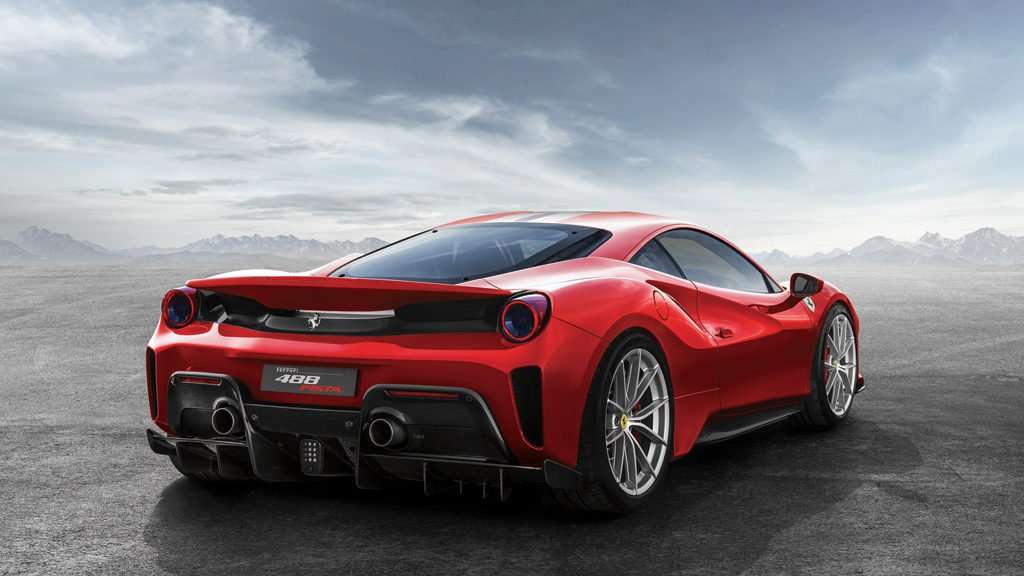
car engine types
Understanding car engine types is essential for selecting the optimal vehicle performance that aligns with driving habits, fuel efficiency preferences, and power demands. Each engine configuration offers distinct advantages, from the nimble responsiveness of a turbocharged inline-four to the commanding torque of a V8. For a deeper dive, consider exploring Automotive Performance Guides, Fuel Efficiency Optimization Strategies, and Advanced Engine Technologies.
1. Car Engine Types: Inline Engines
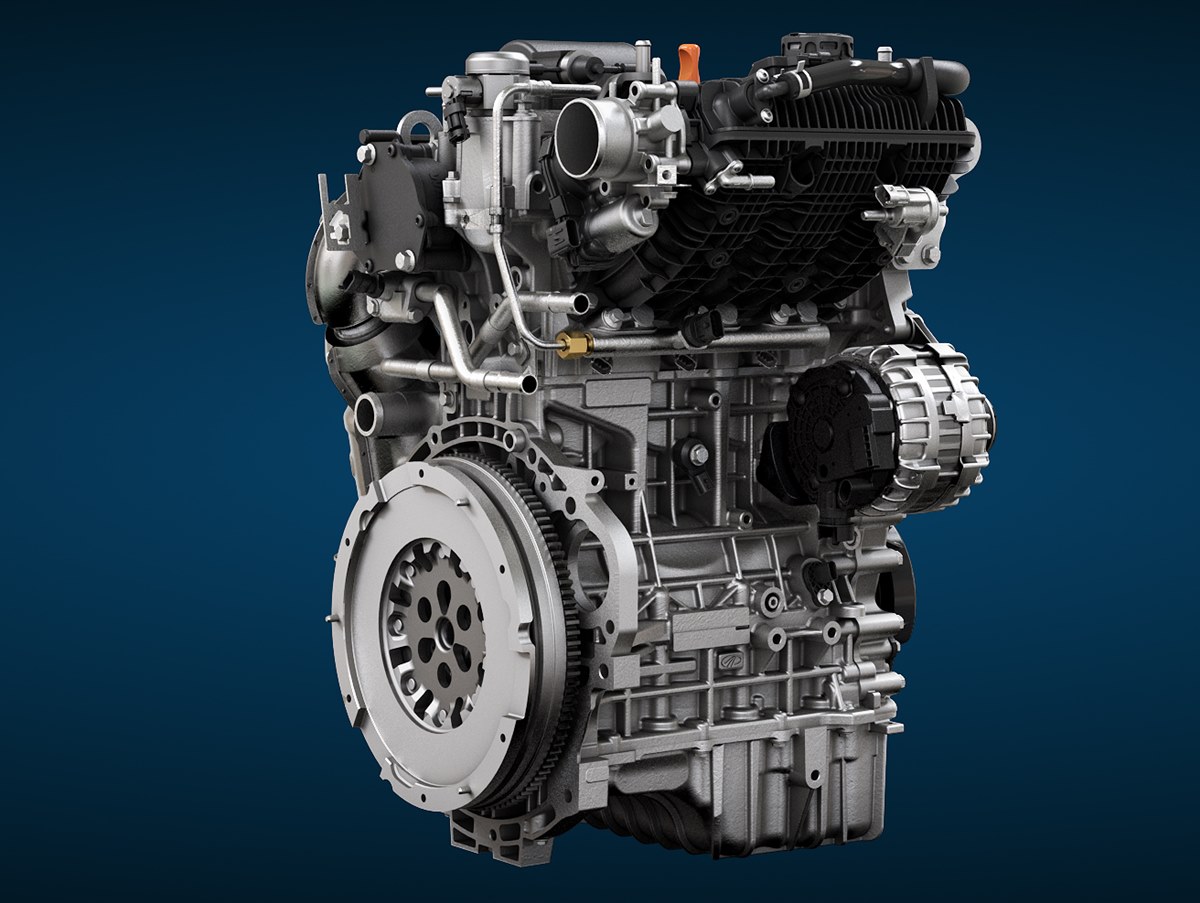
Inline engines, often seen in smaller sedans and compact cars, are characterized by cylinders arranged in a straight line. Their simplicity allows for smoother operation, easier maintenance, and improved fuel efficiency. Variants such as the inline-four provide balanced performance for city and highway driving, while inline-six engines offer enhanced torque and smoother high-rev behavior.
2. Car Engine Types: V-Shaped Engines
V-shaped engines, including V6 and V8 configurations, are recognized for their powerful output and compact length. Ideal for luxury sedans, SUVs, and sports cars, they deliver substantial torque and acceleration. The V configuration reduces engine length, allowing placement in shorter engine bays without sacrificing displacement or performance.
3. Car Engine Types: Flat and Boxer Engines
Flat engines, or boxer engines, arrange cylinders horizontally in opposition. This design lowers the vehicle’s center of gravity, enhancing stability and cornering dynamics. Popular in sports cars and certain SUVs, boxer engines offer smooth power delivery and distinct auditory feedback, distinguishing them from inline or V configurations.
Key Engine Type Comparison
- Inline engines: Efficient, compact, suitable for urban and moderate driving
- V-shaped engines: Powerful, higher torque, ideal for performance and towing
- Boxer engines: Low center of gravity, stable handling, smooth power
- Rotary engines: Compact, high-revving, lightweight, unique power curve
- Electric motors: Immediate torque, zero emissions, low maintenance
- Hybrid configurations: Combines combustion and electric, balanced efficiency
- Diesel engines: High torque, fuel-efficient for long-distance driving
- Turbocharged engines: Boosted power, smaller displacement, fuel-conscious
- Supercharged engines: Instant power delivery, high-performance applications
- Hydrogen fuel cell engines: Emerging tech, eco-friendly, limited infrastructure
4. Car Engine Types: Diesel vs. Petrol
Diesel engines excel in torque and fuel economy, making them suitable for long-distance travel and heavy-duty applications. Petrol engines, conversely, offer higher revving performance, smoother operation, and reduced noise. Driver preference, environmental regulations, and fuel availability all influence optimal selection.
5. Car Engine Types: Turbocharged and Supercharged Variants
Forced induction technologies enhance engine output without increasing displacement. Turbocharging harnesses exhaust gases to improve efficiency and power, while supercharging delivers instant torque via mechanically driven compressors. Both options offer exhilarating performance, yet differ in response characteristics and fuel demands.
6. Car Engine Types: Hybrid and Electric Innovations
Hybrid engines merge internal combustion with electric power to achieve exceptional efficiency and lower emissions. Full electric vehicles, devoid of traditional combustion, provide immediate torque, simplified maintenance, and reduced environmental impact. These technologies are reshaping urban mobility and redefining conventional driving experiences.
7. Car Engine Types: Maintenance and Longevity Considerations
Each engine type carries distinct maintenance profiles. Inline engines are generally simpler and cost-effective to maintain, while V-shaped and high-performance engines may require specialized servicing. Electric and hybrid systems reduce mechanical complexity, yet introduce battery management considerations. Knowledge of these factors ensures informed ownership decisions.
8. Car Engine Types: Fuel Efficiency and Performance Trade-offs
Engine selection balances power output with fuel consumption. Inline and small displacement turbo engines optimize efficiency, whereas V8 and supercharged setups prioritize performance. Hybrid and electric configurations provide a middle ground, offering spirited performance without excessive fuel costs. Understanding driving patterns and priorities informs the ideal choice.
9. Car Engine Types: Environmental and Regulatory Impact
Emission standards, fuel regulations, and government incentives influence engine adoption. Diesel engines face stricter scrutiny in urban centers, while electric and hybrid technologies benefit from tax credits and rebates. Strategic selection considers both immediate performance needs and long-term regulatory compliance.
10. Car Engine Types: Matching Engine to Driver Profile
Selecting the right engine depends on driving environment, performance expectations, and lifestyle. Commuters may prefer inline or hybrid engines, whereas enthusiasts may gravitate toward V-shaped or high-revving rotary engines. Evaluating maintenance costs, fuel economy, and ecological impact ensures alignment with personal priorities. For additional insights, consult Vehicle Powertrain Optimization Guides.

.jpg?k=1924235ce9 "Honda Civic Type R")