The automotive world continues to evolve at breakneck speed, and the latest car news 2025 offers an illuminating glimpse into the innovations, paradigm shifts, and next-gen models shaping the road ahead. From electrification dominance to AI integration and boundary-breaking designs, the landscape has never looked more dynamic.
Electric Vehicles Redefining the Market
The proliferation of electric vehicles (EVs) is no longer speculative—it’s definitive. Automakers have shifted priorities, allocating colossal R&D investments to produce all-electric lineups. Notably, legacy giants like Ford, Toyota, and Volkswagen have each pledged full electrification of their core models within the next five years. The competition is fierce, pushing performance, range, and fast-charging infrastructure to new heights.
Tesla continues to set benchmarks, but Chinese automakers such as BYD and NIO are rapidly gaining ground. Meanwhile, European manufacturers are upping the ante in luxury EVs, with Mercedes-Benz’s EQ lineup expanding into high-performance territory. Compact EVs, once niche, are now making mainstream waves—ushering in accessible electrification for urban consumers.
Autonomous Driving Hits a New Milestone
Artificial intelligence is steering the future, quite literally. Several brands are now deploying Level 3 autonomous capabilities, allowing vehicles to control driving functions under limited conditions. Honda and BMW have both introduced models equipped with advanced self-driving tech that can navigate traffic congestion without driver intervention.
Startups specializing in machine learning and LIDAR systems have formed strategic partnerships with automakers, infusing traditional production lines with cutting-edge automation. While full autonomy remains under regulatory scrutiny, the shift toward hands-free commuting is palpable in 2025’s lineup of luxury sedans and crossovers.
Sustainability Goes Beyond the Powertrain
Sustainability isn’t confined to emissions anymore. Manufacturers are embracing circular economies, integrating recycled materials and bio-based components into their production cycles. Audi, for instance, now features marine plastic-derived interiors in select models, while Volvo commits to fossil-free steel by 2030.
Paints with reduced environmental impact, vegan leather alternatives, and eco-conscious tire compounds are becoming standard rather than premium offerings. These advancements speak to a broader ecological awareness in automotive manufacturing and design.
Compact SUVs Take Center Stage
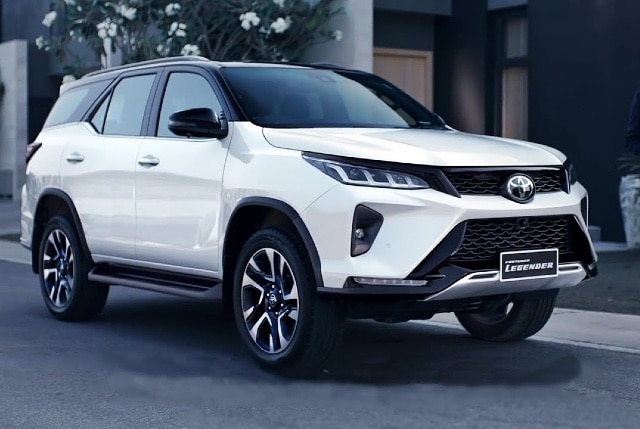
The SUV remains king, but the compact and crossover segments are stealing the limelight. Consumers are favoring agility, efficiency, and smart packaging over size and brute force. Brands like Kia, Mazda, and Hyundai are capitalizing on this with sculpted, tech-laden offerings that blend urban practicality with weekend adventure readiness.
These models, often featuring turbocharged four-cylinders and hybrid options, are proving that performance and sustainability can coexist. High ground clearance, adaptive suspensions, and modular cargo space appeal to a new generation of buyers who value versatility without excess.
Next-Level Infotainment and Connectivity
Digital ecosystems within vehicles have undergone dramatic transformation. Infotainment systems now serve as extensions of personal devices, offering seamless integration with digital assistants, real-time navigation updates, and over-the-air software enhancements.
Apple CarPlay and Android Auto are no longer optional. Instead, fully integrated systems—with touchless controls, personalized user profiles, and cloud-based service updates—are the new norm. Voice control is smarter, interfaces are more intuitive, and screen real estate has doubled in many dashboards.
Moreover, vehicles now leverage 5G networks for uninterrupted streaming, real-time diagnostics, and even augmented reality driving aids. The cockpit has become a command center—efficient, immersive, and richly interactive.
Performance Cars Still Thrive in the Electric Age
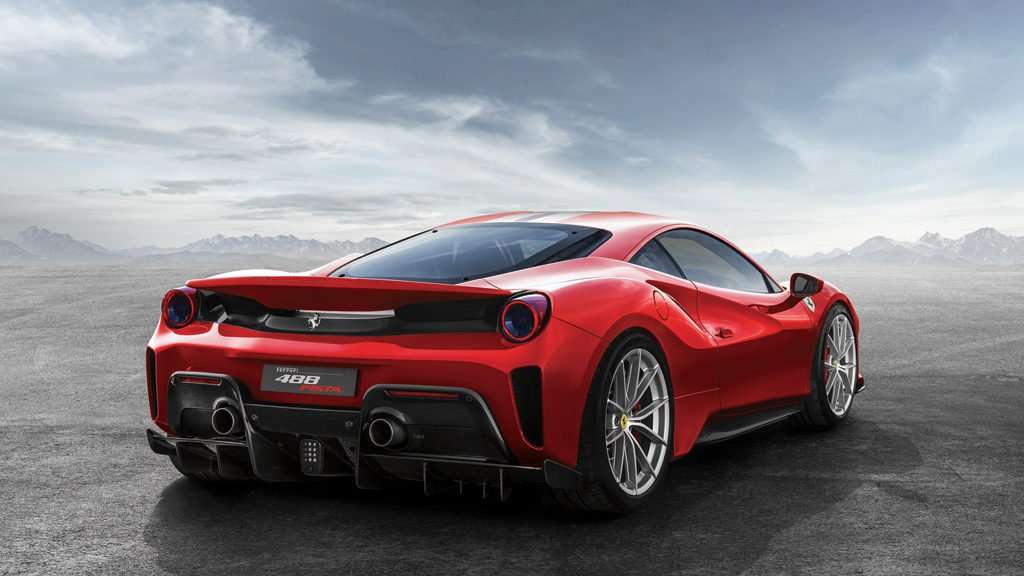
While the automotive world pivots to sustainability, enthusiasts need not despair. The sports car segment remains alive and well—reinvented for the electric era. Brands like Porsche, Rimac, and Lotus are delivering thrilling machines that marry speed with silence.
Electric performance cars no longer feel clinical. Tactile feedback, track modes, and artificial soundscapes help restore the visceral joy of driving. Even hypercars, with their thousand-horsepower ratings and sub-2-second 0-60 mph times, are becoming more common on showroom floors.
The future of performance isn’t about abandoning tradition—it’s about reinterpreting it with modern tools and ethical conscience.
Subscription Models and Ownership Redefined
Car ownership is also undergoing a subtle yet profound transformation. Subscription services and flexible leasing programs are disrupting the traditional dealership model. Consumers, especially in urban markets, are prioritizing access over possession.
BMW, Volvo, and even Toyota now offer monthly programs that include insurance, maintenance, and even vehicle swaps. This emerging trend caters to digital natives who seek customization and convenience over long-term commitments.
Mobility as a service (MaaS) platforms are expanding, particularly in Asia and Europe, where multi-modal transportation solutions seamlessly integrate cars, scooters, and public transport into a unified app experience.
Global Supply Chain and Market Disruptions
Geopolitical tensions and raw material shortages continue to cast a shadow over production cycles. Semiconductor scarcity, although less severe than in previous years, still causes bottlenecks. Automakers are diversifying their supplier bases and investing in localized manufacturing to reduce dependency on volatile regions.
At the same time, climate change events—such as flooding and extreme temperatures—are prompting logistical overhauls. The industry is responding with resilient infrastructure and AI-driven demand forecasting to mitigate risk and improve adaptability.
The automotive industry in 2025 is a confluence of transformation—technological, ecological, and cultural. Innovations in propulsion, design, connectivity, and mobility services are creating a more intelligent, efficient, and responsive driving experience. As automakers adapt to an era defined by electrification, automation, and digitization, one thing remains clear: the journey is just beginning.



.jpg?k=1924235ce9 "Honda Civic Type R")